Have you ever been watching a great movie or live sports when your screen freezes? Those annoying buffering moments can ruin your fun. As someone who loves streaming, I know how important it is to have a smooth experience.
IPTV has changed how we watch media, giving us access to content worldwide. With the right steps, you can enjoy IPTV without those annoying pauses. This guide will show you how to get the best IPTV no buffer experience.
Whether you love movies, sports, or just watching TV, you can get IPTV without buffering. We’ll look at new ways to make your streaming better. You’ll never miss a key moment again.
Key Takeaways
- Understand the root causes of IPTV buffering
- Learn how to select top-performing IPTV providers
- Discover network optimization techniques
- Explore hardware and software solutions for smooth streaming
- Implement professional troubleshooting strategies
Understanding IPTV Streaming and Buffer Issues
Streaming your favorite shows should be smooth and fun. But for many, buffering problems can ruin the fun. Let’s explore why IPTV streaming can be interrupted.
For the best IPTV experience, you need to know the technical issues. Buffering is more than a small problem. It can ruin your plans to watch.
What Causes IPTV Buffering Problems
Several things can make IPTV streaming slow:
- Slow internet connection speeds
- Weak Wi-Fi signals
- Network congestion
- IPTV server overload
- Device performance limitations
Impact of Buffering on Streaming Experience
Buffering can turn a great IPTV service into a bad experience. Imagine watching a movie, only to have it freeze. It ruins the fun and breaks your focus.
| Buffering Impact | User Experience |
|---|---|
| Frequent Interruptions | Reduced viewing satisfaction |
| Video Quality Drops | Pixelated or blurry content |
| Playback Delays | Missed crucial moments |
Common Streaming Quality Issues
Several factors affect your streaming quality. Internet bandwidth, device capabilities, and IPTV provider infrastructure are key. They all impact how well you can stream.
A smooth streaming experience is not a luxury – it’s an expectation in today’s digital entertainment landscape.
Knowing these issues is the first step to a better IPTV experience. Next, we’ll look at ways to fix these problems.
Essential Requirements for Buffer-Free IPTV Streaming
To get high-quality IPTV streams, you need to prepare well and know your network’s limits. Your streaming quality depends on key factors that can greatly affect your experience.
Your internet connection is the base for smooth streaming. A good IPTV provider needs a certain internet speed to offer the best streaming.
- Minimum internet speed for HD streaming: 25 Mbps
- Recommended speed for 4K streaming: 50 Mbps
- Multiple user streaming: 100 Mbps or higher
“Your internet connection is the lifeline of your streaming experience.” – Tech Streaming Experts
Your hardware is also very important for uninterrupted streams. Think about getting:
- Modern router with dual-band capabilities
- Ethernet connection for stable streaming
- Updated streaming devices
| Streaming Quality | Minimum Speed | Recommended Speed |
|---|---|---|
| Standard Definition | 5 Mbps | 10 Mbps |
| High Definition | 25 Mbps | 50 Mbps |
| 4K Streaming | 50 Mbps | 100 Mbps |
Pro tip: Regularly test your internet speed to ensure optimal streaming performance.
Best IPTV No Buffer Services for Optimal Performance
Streaming fans hate when videos buffer. The right IPTV service can make your viewing smooth. Top IPTV services know seamless streaming is key for today’s entertainment.
Looking for the best iptv no buffer services? Focus on these important factors for smooth streaming:
- Server reliability
- Channel variety
- Stream quality
- Customer support
Top-Rated IPTV Providers
Your streaming quality depends on the IPTV service you choose. We’ve compared the most reliable providers for you:
| Provider | Channel Count | Video Quality | Buffering Rating |
|---|---|---|---|
| IPTV Cable Canada | 1200+ | 4K/HD | 9.5/10 |
| StreamPro IPTV | 950+ | HD | 8.7/10 |
| Global Stream Network | 800+ | Full HD | 8.5/10 |
Service Quality Comparison
Not all top iptv services are the same. Performance metrics matter. Look at server infrastructure, content delivery networks, and streaming technology.
Premium vs. Budget Options
Budget IPTV services might look good, but premium services offer better streaming. Spending on a high-quality IPTV provider saves you from frustration and ensures buffer-free entertainment.
“Quality streaming is about choosing the right service, not just the cheapest option.” – Streaming Expert
Internet Speed and Connectivity Requirements
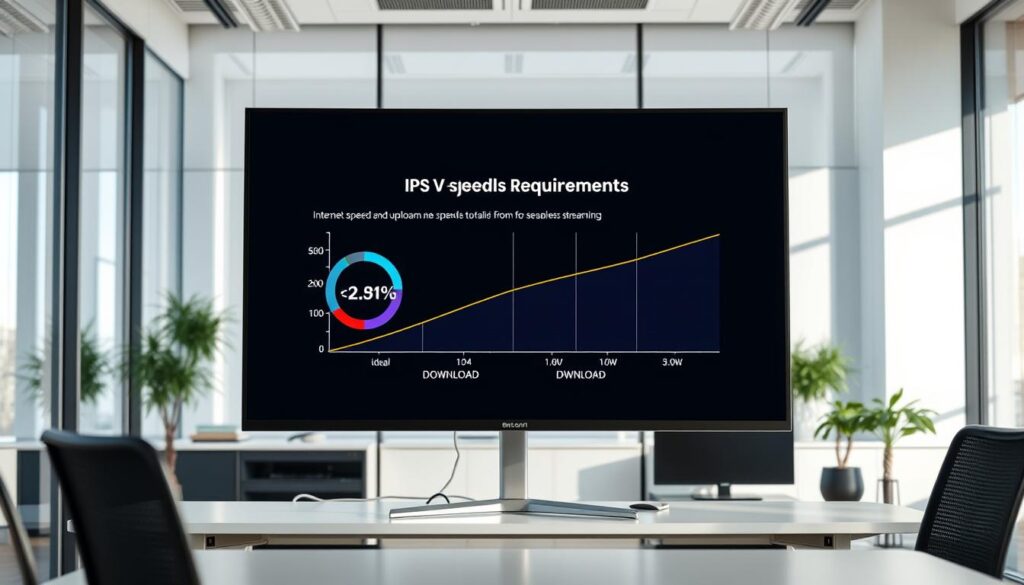
Your internet connection is key to a great IPTV experience. The right speed makes streaming smooth and enjoyable. It keeps you entertained without any breaks.
Different streaming qualities need specific internet speeds. Here’s what you need for the best streaming:
- Standard Definition (SD): 5-10 Mbps
- High Definition (HD): 25 Mbps minimum
- 4K Ultra HD: 50 Mbps or higher
- Multiple User Streaming: 100 Mbps recommended
Wired Ethernet connections are better than Wi-Fi for streaming. Try connecting your streaming device directly to your router with an Ethernet cable. This can help avoid connectivity problems.
Pro Tip: Always test your actual internet speed, not just the advertised speed from your internet service provider.
To get the best streaming quality, try these tips:
- Do speed tests regularly
- Upgrade your internet plan if needed
- Put your router in the center of your home
- Try to avoid network congestion during peak streaming times
By meeting these internet speed needs, you’ll get a top-notch streaming experience. You’ll enjoy less buffering and more fun.
Optimizing Your Network Setup for Smooth Streaming
To get the best out of IPTV, you need a well-set up home network. Your streaming quality depends on your network setup. Here are some tips to make your network perfect for IPTV.
First, understand your current network. An old or bad network can ruin your streaming, even with fast internet.
Router Configuration for Peak Performance
For top IPTV streaming, follow these router tips:
- Get a dual-band or tri-band router with 5GHz support
- Turn on Quality of Service (QoS) to make streaming a priority
- Keep your router’s firmware up to date
- Place your router in the middle of your home
Wi-Fi vs. Ethernet: Making the Right Choice
Ethernet is better than Wi-Fi for streaming stability. Wi-Fi is easy, but ethernet gives you:
- More stable bandwidth
- Less delay
- Less interference
- Better streaming reliability
“A wired connection is the gold standard for eliminating streaming interruptions.” – Network Performance Experts
Network Traffic Management Strategies
Good network traffic management cuts down buffering. Try these tips for better streaming:
- Download big files when you’re not streaming
- Limit how many devices connect at once
- Use tools to watch your bandwidth
- Think about a special streaming network
With these network tips, you’ll get the best IPTV streaming. You’ll see less buffering and enjoy your shows more.
Advanced Technical Solutions for Buffer Prevention

Getting the best out of IPTV is more than just fast internet. Advanced tech can make your IPTV streams better and stop buffering.
Several key technical tweaks can boost your streaming. Clearing your device’s cache and managing apps in the background are crucial. They help make your IPTV streaming smooth and buffer-free.
- Close unnecessary background apps consuming network resources
- Regularly clear application cache and temporary files
- Update IPTV apps and device firmware consistently
- Optimize video codec settings for smoother playback
Knowing about video codecs can greatly improve your streaming. Different codecs like H.264 and H.265 affect how well your device plays video. Choosing the right codec can cut down on bandwidth use and reduce buffering.
Improving your network is more than just basic tweaks. Look into advanced settings like adjusting buffer sizes and using content delivery networks (CDNs). These steps can make your streaming better by distributing content more efficiently. This reduces delays and boosts performance.
Pro tip: Regular software updates are your secret weapon for maintaining peak streaming performance.
Keep working on your streaming setup to avoid interruptions. This way, you can enjoy top-notch entertainment without any hitches.
VPN Implementation for Enhanced Streaming
Protecting your streaming experience is more than just finding a good IPTV provider. Virtual Private Networks (VPNs) are a strong solution. They boost security and performance for smooth IPTV streaming.
Benefits of Using VPN for IPTV
A VPN greatly improves your streaming by offering several key benefits:
- Bypass geographical content restrictions
- Prevent internet service provider (ISP) throttling
- Protect your online privacy
- Access best IPTV no buffer services securely
Recommended VPN Services
When picking a VPN for streaming, consider these top choices:
- NordVPN – Fast speeds and robust security
- ExpressVPN – Excellent global server network
- Surfshark – Budget-friendly with unlimited connections
Setup and Configuration Guide
Setting up a VPN for IPTV streaming is easy. Just follow these simple steps to improve your viewing:
- Choose a reputable VPN service
- Download and install the VPN application
- Select a server close to your physical location
- Connect before launching your IPTV service
“A good VPN is like an invisible shield for your streaming experience” – Tech Experts
By using a VPN, you’ll keep your online activity safe. You’ll also enjoy a smooth, uninterrupted streaming experience with your favorite IPTV provider.
Hardware Considerations for Optimal Performance
Choosing the right hardware is key for top IPTV services. Your streaming device affects everything from picture quality to how smoothly you watch. It’s all about the experience.
Not all devices handle high-definition IPTV well. Older devices often can’t keep up with today’s streaming needs. This can ruin your viewing experience.
- Smart TVs with built-in streaming capabilities
- Dedicated IPTV set-top boxes
- Streaming sticks and dongles
- Gaming consoles with streaming apps
When picking hardware for the best IPTV, think about these important points:
| Device Type | Processing Power | Network Capabilities | Recommended for IPTV |
|---|---|---|---|
| Smart TV | Moderate | Built-in Wi-Fi | Good for casual viewers |
| Dedicated IPTV Box | High | Ethernet + Wi-Fi | Excellent for serious streamers |
| Streaming Stick | Low to Moderate | Wi-Fi only | Budget-friendly option |
“The right hardware can transform your streaming experience from frustrating to fantastic.”
For the best IPTV streams, choose a device with strong processing, lots of memory, and good network skills. Make sure it supports 4K streaming and has many connection options. This ensures a smooth viewing experience.
Pro tip: Always check the minimum system requirements of your chosen IPTV service before buying a streaming device. This ensures compatibility and the best performance.
Troubleshooting Common Streaming Issues
Streaming problems can be really annoying. Even the best IPTV providers sometimes face technical issues. Knowing how to fix these problems quickly is important for a smooth viewing experience.
Here are some key steps to tackle buffering issues with your IPTV:
- Power cycle your router and streaming device
- Check your internet connection speed
- Verify network connectivity
- Inspect cable connections
To avoid buffering, try these diagnostic methods:
- Speed Test: Run a comprehensive internet speed test to ensure you meet minimum streaming requirements
- Signal Strength: Evaluate your Wi-Fi signal strength near the streaming device
- Device Proximity: Move streaming hardware closer to your router for improved connectivity
If basic steps don’t work, reach out to your internet service provider or IPTV support. They can figure out if the problem is with your network, hardware, or service.
“Consistent troubleshooting is key to maintaining optimal streaming performance.”
Being proactive in solving streaming problems ensures you get uninterrupted entertainment with your IPTV service.
Professional Tips for Maintaining Stream Quality
To get the best iptv experience, it’s not just about picking a top-notch service. Keeping things running smoothly and staying ahead of problems is key. Your IPTV setup needs regular care to keep the quality up and streaming issues at bay.
Improving your streaming setup involves a few important steps. These can greatly enhance your viewing experience:
- Regular system cleanup
- Performance monitoring
- Strategic updates
- Network optimization
Regular Maintenance Practices
Keeping your IPTV setup tidy and efficient is vital. Routine maintenance can prevent performance degradation and ensure smooth streaming. Here are some key practices:
- Clear device cache weekly
- Close unnecessary background applications
- Restart streaming devices periodically
- Check for potential hardware issues
Performance Monitoring Tools
Use specialized tools to track your network and streaming performance. These tools help spot potential problems and make sure you’re getting the best from your service.
| Tool | Purpose | Recommended Frequency |
|---|---|---|
| Network Speed Test | Check Internet Bandwidth | Weekly |
| Ping Monitoring | Measure Connection Stability | Bi-weekly |
| Streaming Quality Analyzer | Assess Video Performance | Monthly |
Update and Upgrade Strategies
Stay ahead of streaming problems with a proactive update plan. Regularly updating your firmware, apps, and devices keeps you compatible with the latest tech.
“Consistent updates are the backbone of a seamless streaming experience.” – Tech Streaming Experts
By following these tips, you’ll boost your chances of a smooth, high-quality IPTV streaming experience.
Conclusion
Exploring IPTV streaming can be tough, but it’s doable with the right steps. You can make your entertainment smooth by picking top IPTV services. These services focus on performance and reliability.
Finding the best IPTV no buffer solution takes thought. You need to look at many things, like your network setup. Choosing premium providers like IPTV Cable Canada helps too. With the right knowledge, you can enjoy uninterrupted viewing.
Technology changes fast, so staying up-to-date is key. This guide helps you fix common streaming problems. Keeping your network in check, choosing smart hardware, and watching for issues are important. They help you keep your IPTV streaming smooth.
Use these tips to improve your streaming. With the right knowledge, you can turn buffering into smooth, fun entertainment. This meets your digital lifestyle needs perfectly.